Overview Every year in the United States, on average 5% to 20% of the population
gets the flu; more than 200,000 people are hospitalized from flu
complications, and; about 36,000 people die from flu-related causes. This
year a new strain of flu called Influenza A 2009 H1N1 ("swine flu") has infected
many people worldwide. Some
people, such as pregnant women, children, young adults, and people with certain
health conditions, are at high risk for serious flu complications. The
best way to prevent the flu is by getting a flu vaccination each year.
If you have a fever you
should stay home until 24 hours after the fever is gone to avoid
infecting co-workers. Seek medical care if needed.
If you get sick at work,
you should go home except to seek medical care. Be sure to notify your
supervisor (using the telephone or email) that you are going home sick.
Avoid personal contact with your supervisor and co-workers.
Practice clean hand hygiene
by frequently washing your hands with soap and water or alcohol based
hand sanitizers.
Cover your cough or
sneezes. Clean surfaces contaminated by coughs and sneezes.
Periodically clean surfaces
that have frequent contact with hands, such as counter tops, telephones,
and computer key boards particularly if there is more than one user.
Symptoms
[source:
flu.gov]
Influenza (commonly called the "flu") is a contagious respiratory illness
caused by influenza viruses. The information below describes common flu
symptoms, how to protect yourself and those close to you from getting the
flu, and what to do if you get sick with flu-like symptoms.
Be Aware
of Common Flu Symptoms
Influenza usually starts suddenly and is characterized by the following
symptoms:
Fever
(above 100 degrees F) or chills
- and -
Cough or
sore throat
Other
symptoms may include:
Headache
Fatigue or
tiredness (can be extreme)
Runny or
stuffy nose
Body aches
Diarrhea and
vomiting (more common with 2009 H1N1)
Having these
symptoms does not always mean that you have the flu. Many different illnesses,
including the common cold, can have similar symptoms.
Diagnosing the
Flu
It is very difficult to distinguish the flu from other infections on the basis
of symptoms alone. A doctor's exam may be needed to tell whether you have
developed the flu or a complication of the flu.
If you develop
flu-like symptoms and are concerned about your illness, especially if are at
high risk for complications of the flu, you should consult your healthcare
provider.
Those at high risk
for complications include:
pregnant women,
children and young adults (up to
age 24),
people 65 years or
older, and
people with
chronic medical conditions (such as asthma, diabetes, or heart disease).
Know the
Risks
from the Flu
In some people, the flu can cause serious complications, including bacterial
pneumonia, dehydration, and worsening of chronic medical conditions, such as
congestive heart failure, asthma or diabetes. Children and adults may develop
sinus problems and ear infections.
People May
Have Different Reactions to the Flu
The flu can cause mild to severe illness and at times can lead to death.
Although most healthy people recover from the flu without complications, some
people, such as older people, young children, and people with certain health
conditions (such as asthma, diabetes, or heart disease), are at high risk for
serious complications from the flu.
Know How the
Flu Spreads
The flu usually spreads from person to person in respiratory droplets when
people who are infected cough or sneeze. People occasionally may become infected
by touching something with influenza virus on it and then touching their mouth,
nose or eyes.
Download
an OSHA quick card on how to protect yourself in the workplace
[28kb]
NEW
10/20/2009
Healthy adults may
be able to infect others 1 day before getting symptoms and up to 5
days after getting sick. Therefore, it is possible to give someone the flu
before you know you are sick as well as while you are sick.
Prevention
[source:
flu.gov]
The single best way to protect yourself and others against influenza is to get a
flu vaccination each year, but you can also practice good personal hygiene.
Read the CDC's 3 steps
to fight the flu
[346kb]
NEW
10/20/2009
Best Protection against the Flu: Vaccination
Two kinds of flu vaccine are available in the
United States:
The "flu shot" an inactivated vaccine (containing killed virus) that is
given with a needle, usually in the arm. The flu shot is approved for use in
people older than 6 months, including healthy people and people with chronic
medical conditions (such as asthma, diabetes, or heart disease). See also
Questions & Answers: Seasonal Flu Shot.
The nasal-spray
flu vaccine a vaccine made with live, weakened flu viruses that do not
cause the flu (sometimes called LAIV for "live attenuated influenza vaccine";
or FluMist ). LAIV (FluMist ) is approved for use in healthy* people 2-49
years of age who are not pregnant. Yearly flu vaccination should begin in
September or as soon as vaccine is available and continue throughout the
influenza season, into December, January, and beyond. This is because the
timing and duration of influenza seasons vary. While influenza outbreaks can
happen as early as October, most of the time influenza activity peaks in
January or later.
* "Healthy" indicates persons who do not have an
underlying medical condition that predisposes them to influenza complications.
This year there are separate vaccines for the "seasonal" flu and the new
2009 H1N1 ("swine flu") virus. You will need both vaccines to be fully
protected.
Seasonal Flu
The seasonal flu shot protects against three common strains of the flu.
However, it is not expected to provide protection against the new 2009
H1N1 flu ("swine flu").
Due to the high demand for
seasonal flu shots, the Healthcare Center's supply of the vaccine has
been exhausted. Previously scheduled on-base flu clinics have been
cancelled. Additional seasonal flu shots have been ordered, but at this
time it is unknown when the vaccine will be available. 10/9/2009
A vaccination for the
2009 H1N1 ("swine flu") virus is currently being tested and is expected
to be available to the public in October or November. The US Centers
for Disease Control (CDC) has prioritized pregnant women, children,
healthcare and emergency workers, and people with underlying health
conditions to receive this vaccine. Information about where you can
receive a 2009 H1N1 vaccine will be published when it becomes available.
Personal Hygiene
Take action to protect your own health and that of those around you. Practice
the eight good health habits below.
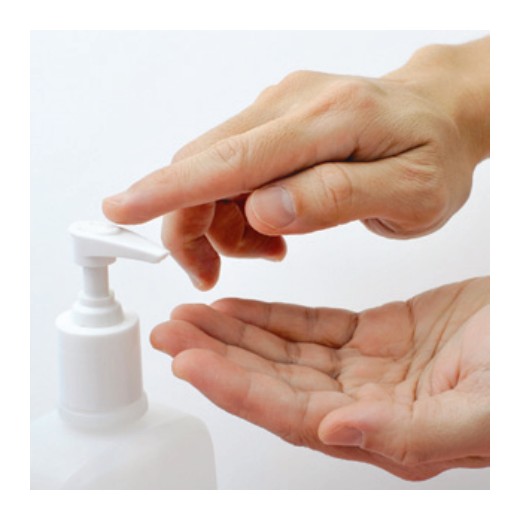
Wash your hands frequently with soap and water for 20 seconds or use an
alcohol-based hand sanitizer if soap and water are not available.
Download a fact sheet on
handwashing
[390kb]
NEW
10/20/2009
Avoid touching your nose, mouth and eyes.
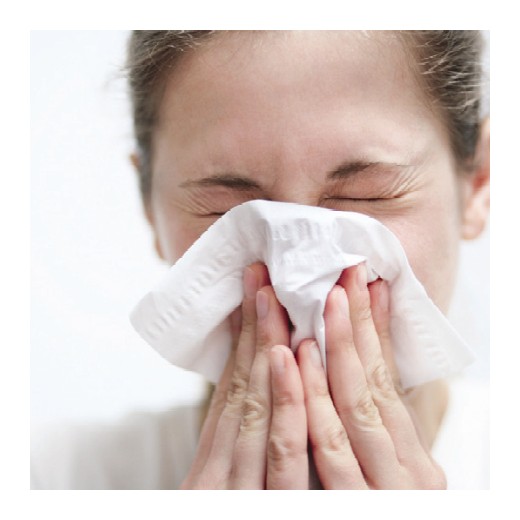
Cover your coughs and sneezes with a tissue, or cough and sneeze into
your upper sleeve. Dispose of tissues in no-touch trash receptacles.
Wash your hands or use an alcohol-based hand sanitizer after coughing, sneezing,
or blowing your nose.
Keep frequently touched common surfaces clean. For example, telephones, computer
equipment, etc.
Try not to use other workers phones, desks, offices, or other work tools and
equipment. If necessary, consider cleaning them first with a
disinfectant.
Maintain a healthy lifestyle; attention to rest, diet, exercise, and
relaxation helps maintain physical and emotional health.
International travel may
present unique challenges for employees. Some international destinations
may not have adequate medical resources available or present language
barriers.
The company has contracted
with HTH Worldwide to provide assistance to international
travelers. Services include:
Worldwide access to English
speaking physicians trained in western evidence-based medicine.
Information about the
current health status at many international locations.
Safety and Security updates
for many international locations.
Convenient access to
updated information at
www.hthbusiness.com
You can sign up to receive updates sent to your email account or mobile
device.
International travelers also
should consider carrying a flu kit consisting of the following items:
The health and safety of Our
People is our first priority.
The U.S. Federal Government
has designated the Transportation Industry and the Postal and Shipping
Industry as two of 18 Critical Industries/Key Resources vital to the
public safety and prosperity of the United States. Every reasonable effort
should be made to prevent the interruption of transportation services and
Postal and Shipping services.
Our customers rely upon us
for transportation of their products and goods. These products and goods
may include critical supplies needed for the response to a pandemic. Every
reasonable effort should be made to prevent the interruption of our
services.






 [836k
PDF]
[836k
PDF]
 Pandemic
Response
Pandemic
Response